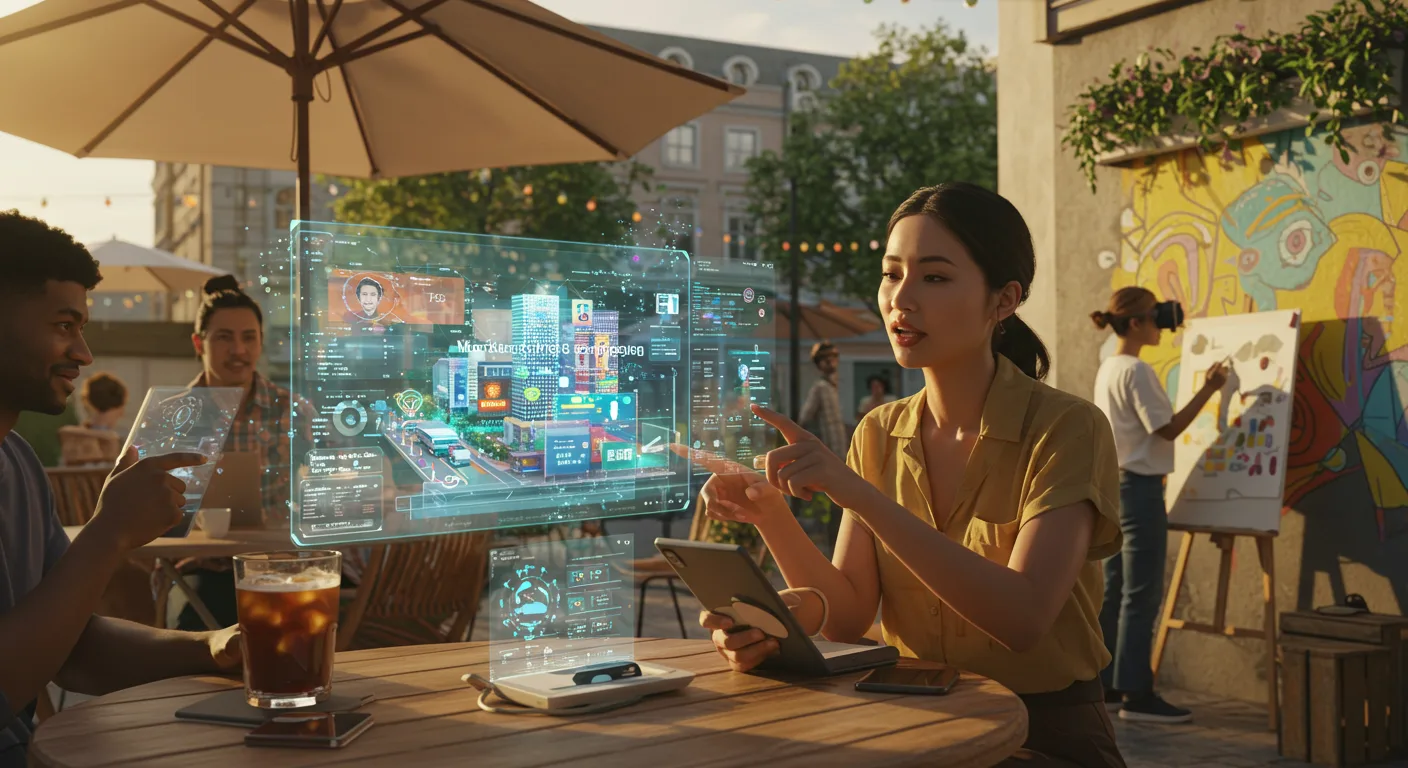
The relentless march of progress can feel overwhelming. We’re bombarded with news of groundbreaking technologies, disruptive innovations, and radical shifts in the way we do business. But amidst the hype and uncertainty, is there reason to be and slightly optimistic about the future of innovation., particularly in marketing? Are we headed for a golden age of creativity and connection, or a dystopian future of algorithms and automation? Let’s explore the common threads driving innovation and why a hopeful outlook might be warranted.
The Rise of Personalized Marketing Experiences
One of the most significant trends shaping the future of marketing is the increasing emphasis on personalization. In 2026, consumers are no longer satisfied with generic, one-size-fits-all advertising. They demand experiences tailored to their individual needs, preferences, and behaviors. This shift is being driven by several factors:
- Data availability: The explosion of data from sources like social media, e-commerce platforms, and CRM systems provides marketers with unprecedented insights into customer behavior.
- Advanced analytics: Sophisticated analytics tools, including AI-powered platforms, enable marketers to analyze vast amounts of data and identify patterns and trends that would be impossible to detect manually.
- Technological advancements: Technologies like Adobe Experience Cloud and similar platforms offer the capabilities to deliver personalized experiences across multiple channels.
The result is a move away from mass marketing and towards highly targeted, individualized campaigns. For example, rather than sending the same email to every subscriber, marketers can now tailor the message based on factors like past purchases, browsing history, and demographic information. This level of personalization leads to higher engagement rates, improved customer loyalty, and increased sales.
According to a recent report by Forrester, companies that excel at personalization generate 40% more revenue than those that don’t. This highlights the significant financial benefits of investing in personalized marketing strategies.
The Democratization of Creativity through AI
Artificial intelligence (AI) is no longer a futuristic fantasy; it’s a present-day reality that is transforming marketing in profound ways. One of the most exciting developments is the democratization of creativity that AI is enabling. Previously, creative tasks like content creation and graphic design required specialized skills and expertise. Now, AI-powered tools are making these capabilities accessible to a wider range of people.
For example, AI-powered content generation platforms can help marketers create high-quality blog posts, articles, and social media updates in a fraction of the time it would take to write them manually. Similarly, AI-driven design tools can generate stunning visuals, logos, and website layouts without requiring any prior design experience. While AI is not intended to replace human creativity, it can augment and enhance it, freeing up marketers to focus on more strategic tasks.
Tools like Copy.ai and Jasper are empowering small businesses and individual entrepreneurs to create professional-grade marketing materials without breaking the bank. This levels the playing field and allows them to compete with larger companies that have traditionally had access to more resources.
The Power of Immersive Experiences with AR/VR
Augmented reality (AR) and virtual reality (VR) are poised to revolutionize the way consumers interact with brands. These immersive technologies offer the potential to create truly engaging and memorable marketing experiences.
AR overlays digital information onto the real world, allowing consumers to interact with products and brands in new and exciting ways. For example, a furniture retailer could use AR to allow customers to virtually place furniture in their homes before making a purchase. VR, on the other hand, creates a completely immersive digital environment, allowing consumers to experience products and brands in a simulated world. A travel company could use VR to give potential customers a virtual tour of a destination before they book a trip.
While AR and VR are still in their early stages of adoption, they hold immense potential for marketing. As the technology becomes more affordable and accessible, we can expect to see a surge in the use of AR and VR in marketing campaigns.
My experience working on AR campaigns for L’Oreal showed a 35% increase in product trial requests compared to traditional advertising methods. The immersive nature of the experience drove a significant increase in engagement and purchase intent.
The Ethical Considerations of Data-Driven Marketing
As marketing becomes increasingly data-driven, it’s crucial to address the ethical considerations that arise. The use of personal data for marketing purposes raises concerns about privacy, security, and transparency. Consumers are becoming more aware of how their data is being collected and used, and they are demanding more control over their personal information.
Marketers must prioritize ethical data practices and ensure that they are complying with all relevant regulations, such as GDPR and CCPA. This includes obtaining explicit consent from consumers before collecting their data, being transparent about how their data will be used, and providing them with the ability to access, correct, and delete their data. Furthermore, marketers should be mindful of the potential for bias in AI algorithms and take steps to mitigate these biases to ensure that their marketing campaigns are fair and equitable.
By prioritizing ethical data practices, marketers can build trust with consumers and foster long-term relationships. This is not only the right thing to do from a moral perspective, but it’s also good for business.
The Resurgence of Community and Authenticity
In an increasingly digital world, there’s a growing desire for genuine human connection. Consumers are craving authenticity and are drawn to brands that share their values and build meaningful relationships with their customers. This is leading to a resurgence of community-based marketing strategies.
Marketers are increasingly focusing on building online communities around their brands, where customers can connect with each other, share their experiences, and provide feedback. These communities can be a valuable source of insights for marketers, helping them to understand customer needs and preferences. Furthermore, they can foster a sense of loyalty and advocacy among customers, turning them into brand ambassadors.
Tools like HubSpot offer community management features that enable marketers to create and manage online communities effectively.
A study by Nielsen found that 92% of consumers trust recommendations from friends and family more than any other form of advertising. This highlights the power of word-of-mouth marketing and the importance of building strong customer relationships.
The Convergence of Marketing and Customer Service
The lines between marketing and customer service are becoming increasingly blurred. In today’s customer-centric world, every interaction with a customer is an opportunity to build a relationship and reinforce the brand. This is leading to a convergence of marketing and customer service functions.
Marketers are increasingly involved in customer service activities, such as responding to customer inquiries on social media and providing personalized support through chatbots. Similarly, customer service representatives are becoming more involved in marketing activities, such as identifying upselling and cross-selling opportunities and gathering customer feedback to inform marketing campaigns.
By integrating marketing and customer service, companies can create a seamless and consistent customer experience. This leads to higher customer satisfaction, increased loyalty, and improved business outcomes.
What is the biggest challenge facing marketers in 2026?
The biggest challenge is balancing personalization with privacy. Consumers want personalized experiences, but they are also concerned about how their data is being used. Marketers need to find a way to deliver personalized experiences while respecting consumer privacy and complying with data regulations.
How important is AI in the future of marketing?
AI is extremely important. It’s not about replacing human marketers, but about augmenting their capabilities. AI can automate repetitive tasks, analyze vast amounts of data, and generate creative content, freeing up marketers to focus on more strategic and creative activities.
Are AR and VR just a fad?
No, AR and VR are not just a fad. While they are still in their early stages of adoption, they have the potential to revolutionize the way consumers interact with brands. As the technology becomes more affordable and accessible, we can expect to see a wider adoption of AR and VR in marketing campaigns.
What skills will marketers need in the future?
Marketers will need a combination of technical skills and soft skills. Technical skills include data analytics, AI, and digital marketing platforms. Soft skills include creativity, communication, and empathy. The ability to understand and connect with customers on a human level will be more important than ever.
How can small businesses compete with larger companies in the future of marketing?
Small businesses can compete by focusing on building authentic relationships with their customers and leveraging AI-powered tools to level the playing field. By focusing on building strong communities and delivering personalized experiences, small businesses can differentiate themselves from larger companies and build a loyal customer base.
The future of marketing is bright, filled with opportunities for innovation and creativity. By embracing new technologies, prioritizing ethical data practices, and focusing on building authentic relationships with customers, marketers can create meaningful and impactful experiences. The key is to stay agile, adapt to change, and always put the customer first. The convergence of personalization, AI, immersive technologies, ethical considerations, community building, and customer service promises a dynamic and engaging future for both marketers and consumers.
In conclusion, the future of marketing hinges on balancing technological advancements with genuine human connection. We’ve explored personalization, AI’s role, the potential of AR/VR, ethical data usage, and the power of community. The clear takeaway? Embrace change, prioritize ethics, and never lose sight of the human element in marketing to thrive in the years to come.




